


Rest Is Not Laziness
I’ve lost count of the times I’ve felt guilty for resting. Sitting on the couch while the dishes are still in the sink. Lying down in the middle of the afternoon even though there are emails I could answer or things I “should” be doing. Saying no to plans because I didn’t have the energy to be social. Even when no one else was judging me, I was judging myself.
Somewhere along the way, rest got tangled up with laziness in my head. Like pausing meant I was falling behind. Like productivity was proof of worth, and stillness needed to be earned. If I stopped before everything was finished, it felt like I was doing something wrong — even if I was completely exhausted.
I don’t remember exactly when that belief took root. It might have been years of hearing phrases like “push through,” “just one more thing,” or “you can rest when it’s done.” The problem is, it’s never really done. There’s always another task, another responsibility, another loose end waiting in the wings. If rest only happens after everything is complete, it never happens at all.
Lately, I’ve been trying to untangle that knot. Not in some grand, life-changing way — just in small moments when I catch myself hesitating before allowing a break. When I notice how tired I actually am instead of how much is left to do. Sometimes I still push past it out of habit, but more often I’m starting to pause and ask whether continuing will actually help or just wear me down further.
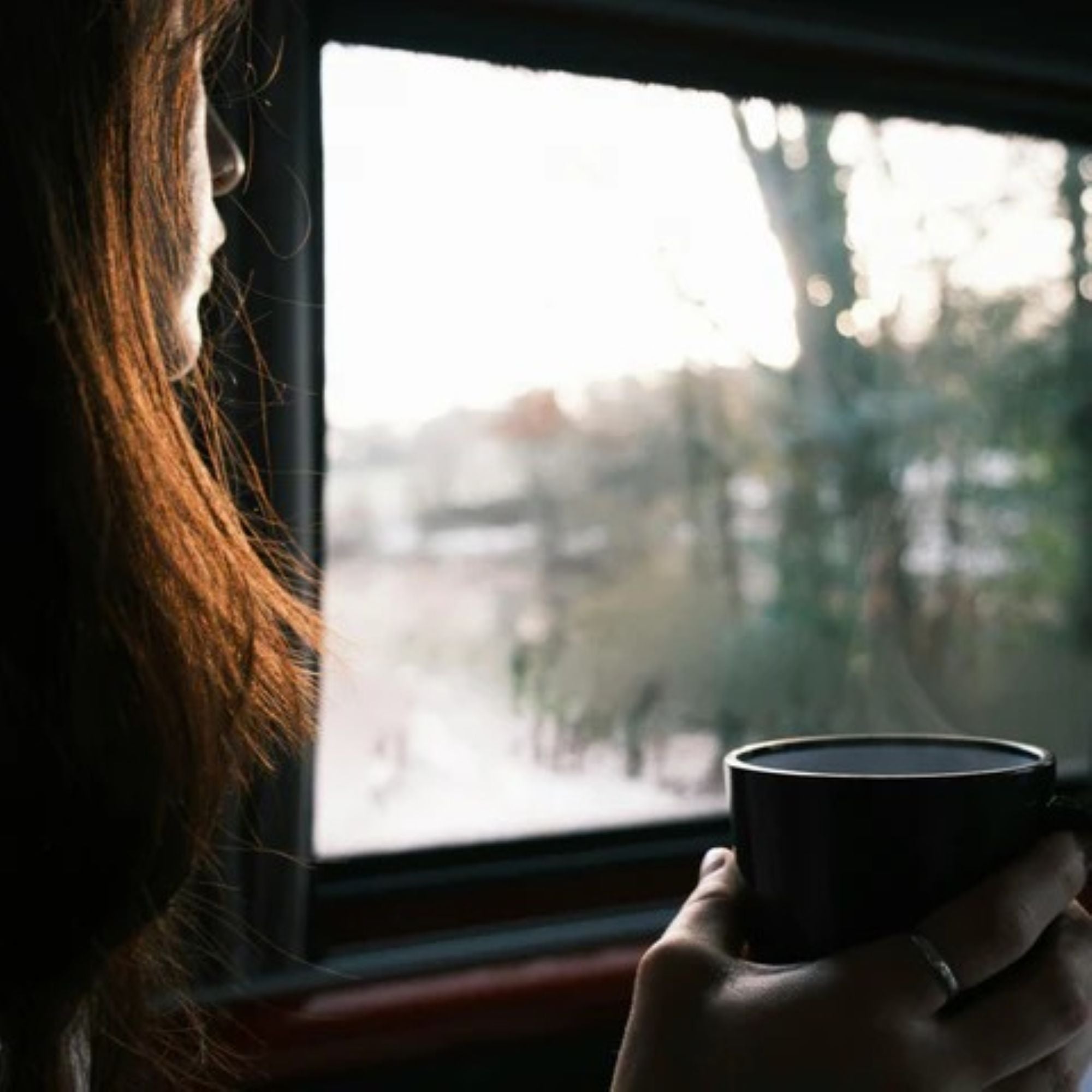
What surprises me is how different rest feels when I finally allow it without negotiation. A short nap doesn’t feel like lost time anymore; it feels like clearing static from my brain. Getting up from the couch afterward, I move more easily, think more clearly, react less sharply. It’s not dramatic, just noticeably better. Like wiping fog from a window you didn’t realize had slowly clouded over.
A slow walk has a similar effect. Not a fitness walk, not a “make it count” walk, just moving at whatever pace feels natural. When I leave the headphones behind, the world feels less crowded somehow. I notice things I usually rush past — the sound of leaves moving, distant traffic fading in and out, the rhythm of my own footsteps. By the time I get back, nothing about my to-do list has changed, but my relationship to it has.
Going to bed early still feels strangely rebellious, like I’m breaking an unwritten rule that evenings are supposed to be productive or at least full. But the mornings after are calmer. There’s more patience available. Small inconveniences don’t hit as hard. It’s hard to argue with the evidence once you experience it enough times.
I’ve also realized that rest isn’t just sleep. Sometimes I’m physically tired, but other times I’m mentally saturated. Too much input, too many decisions, too many open loops. In those cases, what helps isn’t necessarily lying down — it’s stepping away from stimulation. Closing the laptop. Putting the phone in another room. Sitting outside without needing to scroll, listen, or respond.
Reading a book works differently than screens, too. The pace is slower, steadier. My mind settles into one thing instead of bouncing between dozens. Even ten minutes can feel restorative in a way that an hour of passive scrolling never does. It’s not that one is morally better than the other — it just leaves me feeling different afterward.
Sometimes rest looks like being with someone who doesn’t require performance. Someone I don’t have to impress, entertain, or explain myself to. Just sitting together, talking or not talking, laughing at something small. That kind of ease restores energy in a way that forced socializing never can.
Other times, rest is solitude. Not lonely isolation, but intentional quiet. Closing the door. Letting the room stay silent. Allowing my thoughts to drift without needing to organize them. It can feel uncomfortable at first, especially if I’ve been running at full speed for a while. But after a few minutes, there’s often a sense of spaciousness, like internal clutter settling to the bottom.
What I’m slowly learning is that rest doesn’t make me less capable; it makes me more so. When I ignore it, everything takes longer, mistakes multiply, patience thins, and small problems feel disproportionately large. When I honor it, even briefly, I come back steadier. Not perfect, just resourced enough to continue without grinding myself down.
There’s a quiet strength in choosing to stop before you collapse. It goes against the momentum of a culture that rewards constant output, but it’s also a form of self-respect. Acknowledging limits doesn’t shrink what you can do; it protects it.
Rest also has a way of restoring things beyond energy. Creativity returns when there’s space for it. Kindness comes more easily when you’re not running on fumes. Even perspective shifts — problems that felt overwhelming at night often look manageable in the morning after real sleep.
I’m trying to stop treating rest as something I have to justify. It doesn’t need a medical reason or complete exhaustion to be valid. Sometimes “I’m tired” or even “I just need a pause” is enough. The dishes will still be there later. Most tasks are not as urgent as they feel in the moment.
Rest isn’t wasted time. It’s more like maintenance you don’t notice until you skip it for too long. The quiet upkeep that keeps everything else functioning. Without it, the system starts to strain, then creak, then eventually stall.
I still forget this regularly. I still push past the point where stopping would be wiser. Old habits don’t disappear overnight. But each time I do allow myself to rest without guilt, it becomes a little easier the next time. The association slowly shifts from “I shouldn’t be doing this” to “This is what I needed.”
Maybe rest isn’t something we earn at the end of productivity. Maybe it’s what makes productivity sustainable in the first place. Not a reward, not an indulgence, just part of being human.
And the more I practice seeing it that way, the less it feels like giving up and the more it feels like quietly taking care of the only energy I have to spend.

Leave a comment
This site is protected by hCaptcha and the hCaptcha Privacy Policy and Terms of Service apply.