

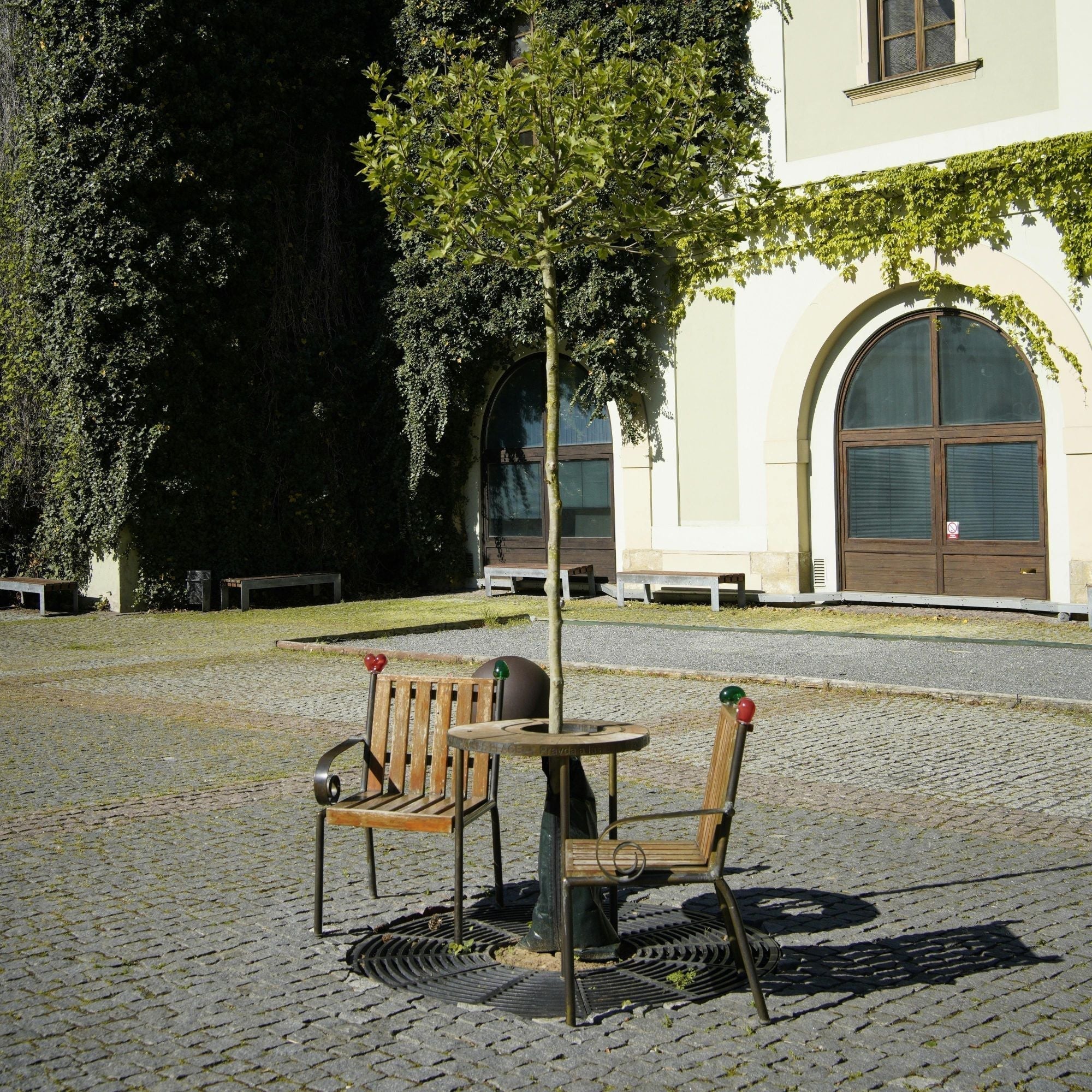
There’s a particular kind of relief that comes from being understood without having to explain yourself. No long backstory, no careful editing of your words, no rehearsing how to make your feelings sound reasonable enough to be accepted. Just being met where you are, exactly as you are, without needing to translate your experience into something easier for someone else to digest.
I don’t realize how much energy I spend explaining myself until I don’t have to. Normally there’s this quiet effort running in the background: choosing the right words, softening the edges, adding context so I don’t seem dramatic or confusing or overly negative. It’s like writing a small essay just to justify why I feel the way I do.
When that effort disappears, the relief is immediate. My body relaxes before I even notice it happening. My thoughts stop scrambling for the “right” way to present things. There’s nothing to prove, nothing to clarify, nothing to defend.
So much of the time, it feels like understanding has to be earned. As if feelings only count once they make sense to someone else. I’ll catch myself minimizing what I’m experiencing or packaging it in a way that sounds manageable, even when it isn’t. Not because anyone demanded it explicitly, but because it feels safer to present something tidy instead of raw.
Carrying the feeling itself is hard enough. Carrying the responsibility of making it understandable on top of that can be exhausting. Sometimes I walk away from conversations more tired from the explaining than from the original problem.
That’s why moments of quiet understanding stand out so sharply. They don’t happen often, but when they do, they feel grounding in a way that’s hard to replicate. It might be someone who knows me well enough to notice when something is off without asking a hundred questions. Someone who sits nearby without trying to diagnose or fix. Someone who doesn’t rush to fill the silence just because silence feels uncomfortable.
A simple “I get it” can mean more than a long, well-intentioned speech. Not the automatic kind people say to move the conversation along, but the kind that comes from genuine presence. Even if they don’t know every detail, they’re willing to trust that what I’m feeling is real.
Sometimes there aren’t any words at all. Just shared quiet. Sitting together while I stare at nothing in particular. Being allowed to be less talkative than usual without someone trying to cheer me up or draw me out. That kind of permission can feel like a deep exhale after holding your breath for too long.
I’ve also noticed how rare it is to not be asked to perform wellness. To not have to reassure others that you’re okay, that things aren’t that bad, that you’ll bounce back soon. When someone lets me exist in a low-energy or heavy state without pushing for improvement, it feels unexpectedly kind. Like they’re more interested in being with me than in fixing me.
Interestingly, sometimes the hardest person to receive that kind of understanding from is myself. I can be quick to interrogate my own feelings. Why do you feel this way? Is it justified? Is it serious enough to matter? Shouldn’t you be over this by now? The internal cross-examination can be relentless.
Letting myself feel something without immediately analyzing it feels unfamiliar, almost indulgent. But when I manage it, there’s a noticeable shift. The feeling moves instead of getting stuck. It loses some of its intensity once it’s not being questioned at every turn.
Not everything inside us is tidy or easy to articulate. Some experiences are more like impressions than narratives — a heaviness, a restlessness, a vague sadness without a clear storyline. Trying to force those into precise language can distort them or make them seem smaller than they actually are.
Being understood without explanation reminds me that care doesn’t have to be conditional on clarity. I don’t need the perfect vocabulary for my inner world to be worthy of gentleness. Sometimes “I’m not okay” or even silence communicates enough to the right person.
If you’ve been carrying something you don’t know how to explain, that doesn’t mean you’re bad at communication or emotionally unavailable. It may just mean that what you’re experiencing is complex, or raw, or still forming. Not everything is ready to be shared in a neat package.
And if you find yourself longing for that effortless understanding, you’re not asking for too much. You’re asking for something deeply human: to be seen without performing, to be accepted without conditions, to be allowed to exist without translating yourself constantly.
We don’t always get that from others, and when we do, it can feel almost startling in its simplicity. But even recognizing the desire for it is meaningful. It points to a basic need for connection that doesn’t depend on eloquence or explanation.
You don’t owe anyone a perfectly reasoned account of your feelings in order to deserve kindness. You don’t have to win a debate to justify being cared for. Sometimes the most healing thing is simply being met with quiet presence, no interrogation, no solutions, no pressure to make it make sense.
And in those moments, when someone sees you clearly without requiring anything in return, it becomes easier to see yourself that way too. Not as a problem to solve or a story to defend, just as a person having a human experience.
Sometimes, that quiet recognition is enough to carry you a little further.


Leave a comment
This site is protected by hCaptcha and the hCaptcha Privacy Policy and Terms of Service apply.